
Aircraft Incident Investigation
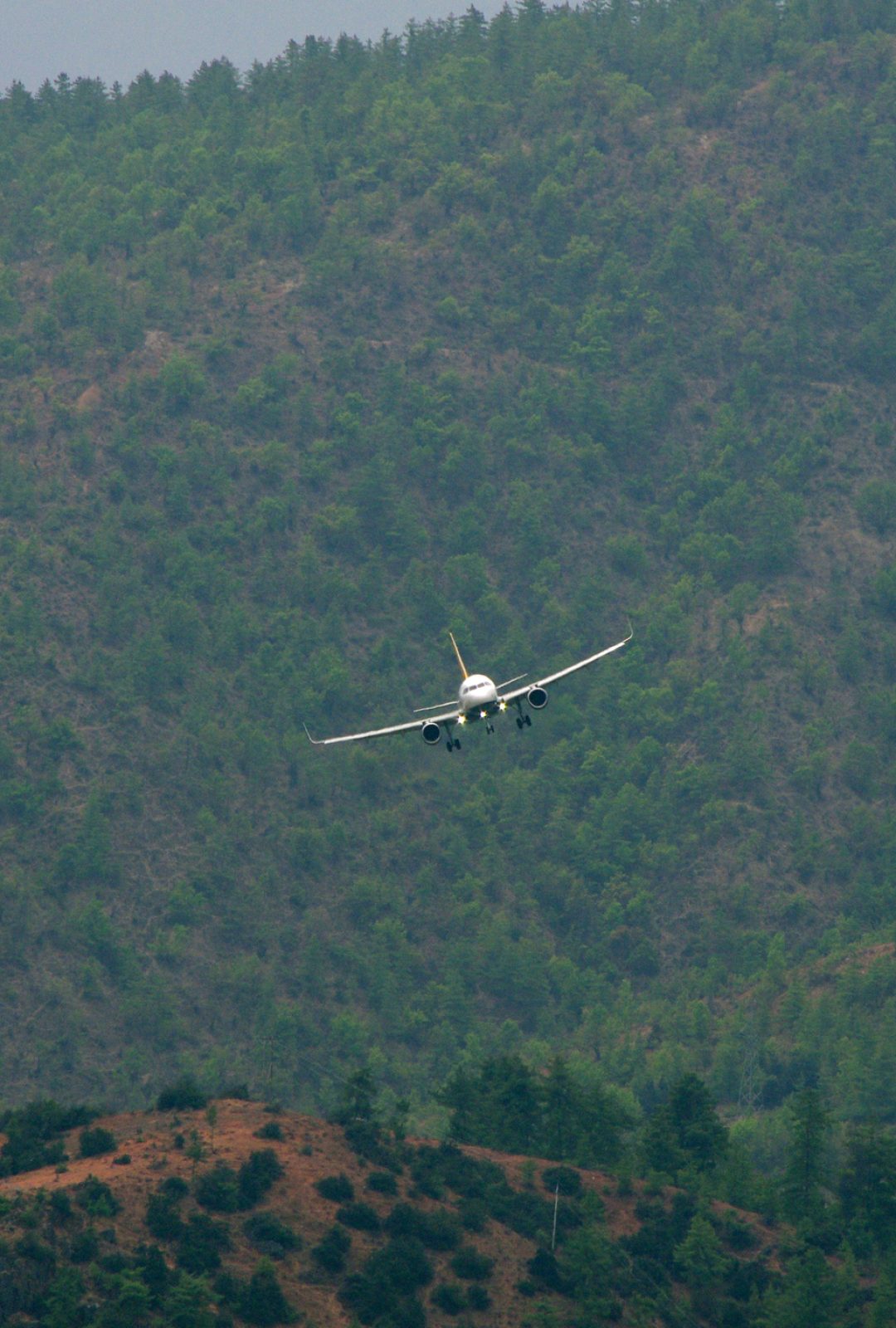
Events lead to Incidents, and Incidents lead to Accidents
The Reality:
Runway excursions/incursions, TCAS RA’s, near misses, in-flight engine shutdowns, CFIT, hard landings, flap overspeeds, and rejected takeoff’s are just a few reasons why you need to have a ‘24/7’ 365 days-a-week support team on standby, to assist with the investigation process. In any aircraft or airline operation, the ability to quickly determine the root cause of events, incidents, and exceedances, can not only improve safety, but it can also help you avoid costly maintenance inspections, repetitive aircraft damage, and reduce the risk of abnormal operations. Recorded data, whether from your FDR, QAR, DAR, or CVR, needs to be analyzed as soon as possible after the incident before the event details begin to fade.
The Solution:
At the Flight Data X analytics and operations center, we are on call to support your analysis needs any time of the day, up to and including Holidays. With support centers and satellite offices in the U.S.A, Middle East, and Asia, our response time to your queries is reduced to minutes. Regardless of your time zone and location, we are prepared to analyze and provide accurate root cause analysis, especially when your incidents and events catch you off guard or during off hours.
Prepare Now :
We can’t do magic. In order for us to respond to your incident promptly, we’ll need all of your data in advance. Access to your manuals, knowledge of your aircraft configuration, storage of your recorder data set, and familiarization with your routes will assist us in providing you with real time support.
Want to learn more...
The International Civil Aviation Organization (ICAO) defines an aircraft incident as an occurrence that affects or could affect the safety of aircraft operations, but is not an accident. Incidents are different from accidents because they do not meet the thresholds for personal injury or aircraft damage set out in the National Transportation Safety Board's (NTSB) definition of an accident. ICAO uses occurrence categories to classify incidents and accidents at a high level, which helps analyze data to support safety initiatives. Some examples of these categories include "loss of control" and CFIT. States are not required by ICAO to investigate incidents, but Annex 13, paragraph 7.7 recommends reporting incidents involving aircraft over 5,700 kg if the investigation reveals matters of interest to other states. If a state determines that an incident is significant enough to warrant an investigation, they can send an Incident Data Report to ICAO ADREP.
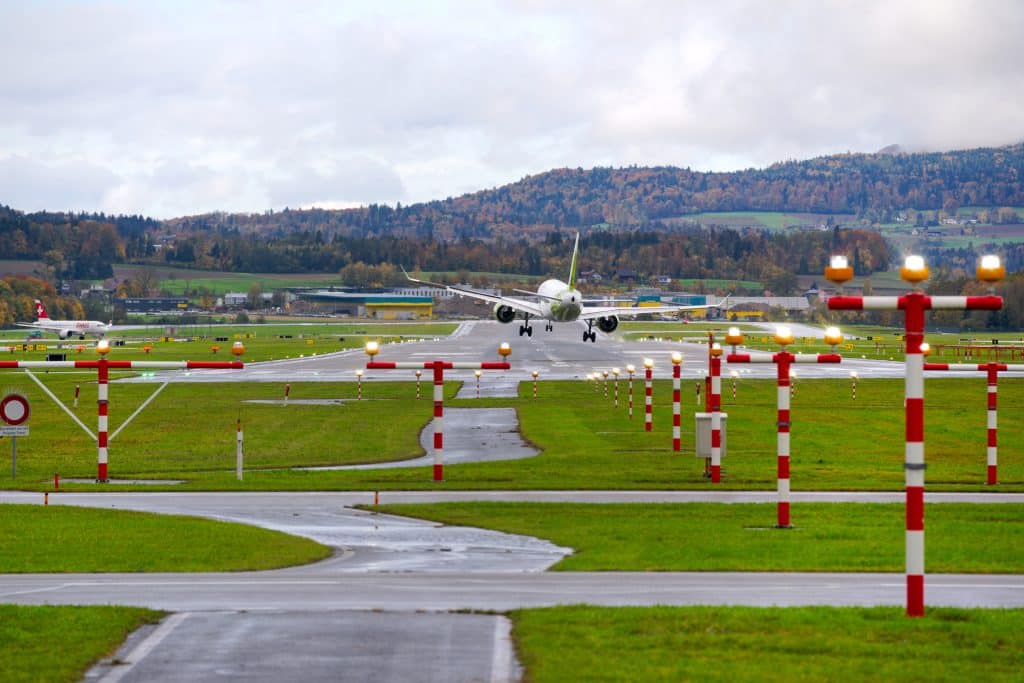
Event Analysis Using FDR Data
Begin by gaining a comprehensive understanding of the process and importance of event analysis using FDR data.
Graphical Plot & Tabular Data
Explore the visual and tabular representations of flight data, gaining the skills to analyze and interpret these data formats.
Flight Visualization (e.g., Google Earth)
Learn how to leverage flight visualization tools, including Google Earth, to enhance your event analysis capabilities.
Final Exam
Test your knowledge and skills in event analysis using FDR data through a comprehensive final exam. Successful completion of the exam will validate your expertise in this specialized field and earn you a certificate of achievement.